

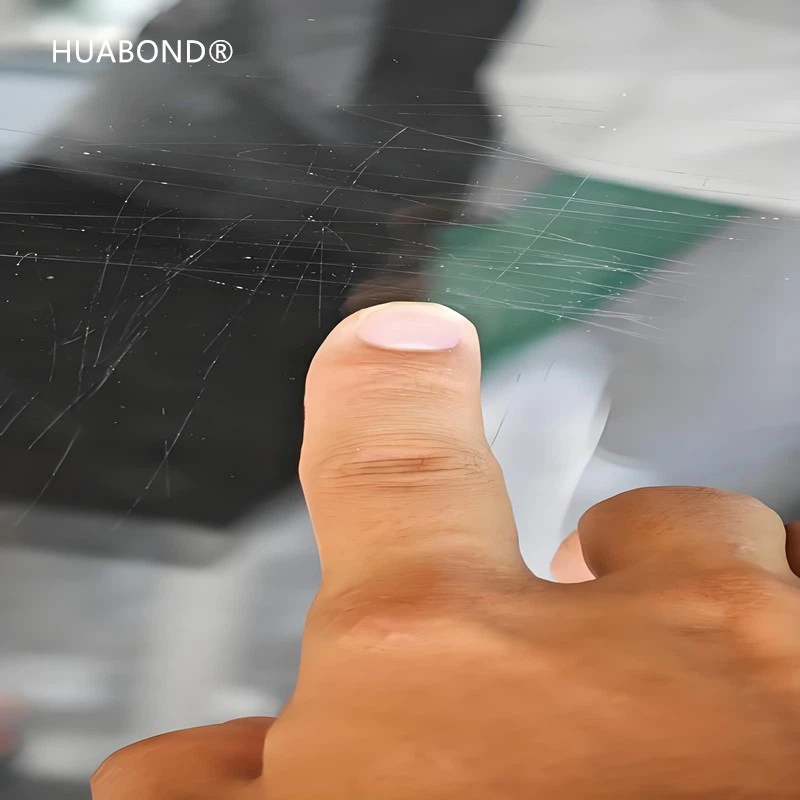
Aluminum composite panels are widely used in building curtain walls, interior decoration, advertising signs, and other fields due to their lightweight, high strength, and decorative properties. However, during daily transportation, installation, and use, scratches inevitably develop on the surface, affecting its appearance. If the scratches are not deep, replacing the entire panel is costly and unnecessary. However, you can repair these defects yourself with some simple and low-cost methods.
Before you begin, remember a golden rule: test on an inconspicuous area or scrap first! This ensures that the method and materials you use are compatible with your panel's surface coating (such as PVDF or PE), avoiding further discoloration or damage.


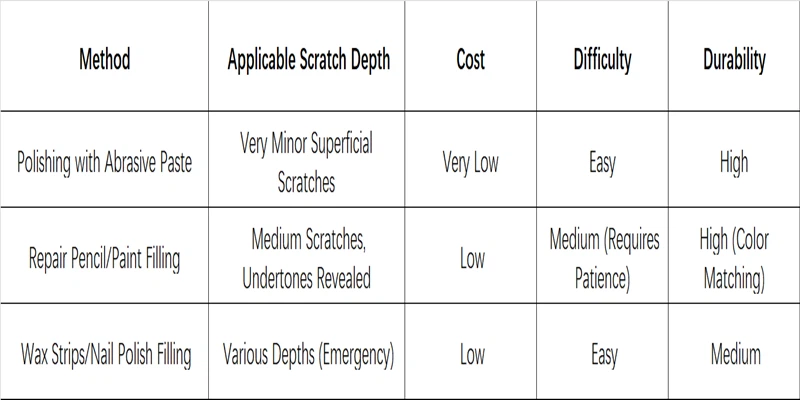
Here are three proven, low-cost repair methods:
Method 1: Polishing with Abrasive Paste (Suitable for Minor Superficial Scratches)
For hairline scratches that only damage the clearcoat or are extremely superficial, polishing with abrasive paste is the simplest and most direct method. This method uses fine abrasive particles to smooth out the raised areas around the scratch, creating a smooth, even surface and eliminating the visual appearance of the scratch.
Required Tools and Materials:
1. Toothpaste (the most readily available alternative; it's recommended to use regular white toothpaste and avoid gel toothpaste with colored particles) or automotive scratch polishing compound (for a more professional finish, the cost is slightly higher, but still affordable).
2. Soft microfiber cloth (or a soft cotton cloth).
3. Clean water.
Instructions:
1. Clean the surface: First, thoroughly clean the scratched area and surrounding area with a damp cloth, ensuring there is no dust or oil residue. Allow to dry.
2. Apply abrasive: Apply a small amount of toothpaste or polishing compound to a soft cloth and rub it repeatedly and vigorously in circular motions over the scratched area. Apply even pressure, slightly wider than the scratched area.
3. Continue polishing: Continue polishing for 2-3 minutes. You will see the paste gradually dry and the scratch fade. 4. Cleaning and Inspection: Use another clean, damp cloth to thoroughly remove any paste from the sanded area. Inspect the results. If scratches remain, repeat the process until you are satisfied.
5. Polishing (Optional): Automotive polishing compounds typically include a polishing and conditioning step. Follow the instructions. If using toothpaste, lightly rub the area with wax to enhance the gloss.
Advantages: Extremely low cost, readily available materials, and simple to apply.
Disadvantages: Effective only for the finest scratches; sanding away a small amount of the finish may cause slight color shifts on darker surfaces.


Method 2: Filling with a Specialized Repair Pen/Paint (Suitable for Moderate Scratches with Visible Base Color)
If the scratch is deeper, revealing the aluminum composite panel's base color (usually silvery-white), a "covering" method is necessary. Repair pen or model paint are perfect, low-cost options for this problem.
Required Tools and Materials:
1. Automotive touch-up pen (Key: Match the panel color as closely as possible; ask the panel supplier for one or purchase from a color chart).
2. Model paint (such as Tamiya or Junshi, suitable for small areas and offering a wide variety of colors).
3. Toothpick or fine needle (for precise application).
4. Soft cloth.
Procedure:
1. Clean the Surface: Again, first ensure the scratched area is absolutely clean and dry.
2. Shake the Repair Pen: Shake the pen thoroughly for one minute to mix the paint evenly.
3. Test Color: First, test the paint on white paper or scraps to confirm the color match.
4. Precise Filling: Using the tip of the pen or a toothpick lightly dipped in paint, carefully fill only the inside of the scratched groove. Avoid applying to the surrounding intact surface. Adhering to the principle of "less is more," you can wait until the first coat is completely dry before applying the second coat.
5. Allow to Dry: Allow the paint to air dry for at least several hours. Ensure that no dust accumulates during this time.
6. Post-Processing (Optional): After the paint is completely dry, if there are any raised areas, use very fine sandpaper (e.g., 2000# or higher) dipped in water to gently smooth them out. Then, use the polishing steps in Method 1 to restore the gloss.
Advantages: Effectively covers visible scratches and restores color uniformity.
Disadvantages: Color matching is crucial; mismatches are noticeable; application requires patience and care.

Method 3: Wax Strips/Nail Polish Filling (Suitable for Emergency Treatment of Scratches of Various Depths)
This method uses filler to physically fill the scratch. It is suitable for scratches of various depths and is particularly suitable for non-flat vertical walls or billboards. It is simple and quick to use.
Required Tools and Materials:
1. Car Scratch Repair Wax Strips or Furniture Repair Wax Strips (Color-matched available).
2. Nail Polish (Color-matched, and the nail polish forms a hard crust after drying for excellent durability).
3. Credit card or hard plastic sheet.
4. Soft cloth.
Procedure:
1. Clean the Surface: As above, thoroughly clean the scratch.
2. Apply Filler:
Using a Wax Strip: Apply the wax strip vigorously, like a pencil, into the scratch, ensuring the groove is completely filled.
Using Nail Polish: Carefully work the nail polish into the scratch with a brush.
3. Scrape the Surface: Immediately, use a credit card or hard plastic sheet at a 45° angle to the surface to quickly and firmly scrape away any excess filler from the surface. This step leaves only the filler within the groove of the scratch.
4. Polish: Use a soft cloth to buff the area quickly and firmly, polishing it to the same gloss as the surrounding panel.
Advantages: Fast, ideal for emergency on-site treatments and for general treatment of large, minor scratches.
Disadvantages: Wax has relatively poor durability and may wear off over time or after repeated washing; nail polish may have varying gloss levels.

Recommendations:
When it comes to maintaining aluminum composite panels, prevention is always better than cure. Applying a protective film during transportation and installation, and using a soft cloth and a non-abrasive, neutral detergent for daily cleaning, can minimize scratches. However, when minor incidents do occur, the three low-cost methods above are undoubtedly economical options for restoring the panel's beauty and extending its lifespan.