

Coated aluminum coils (color-coated aluminum coils) are a core material for modern building curtain walls, industrial plants, and interior decoration. The choice of surface coating directly determines the service life and long-term aesthetics of the project. Faced with the mainstream PVDF fluorocarbon coating and PE polyester coating on the market, many buyers and architects are confused: With a price difference of up to double, how much difference is there in performance? Will there be any pitfalls in outdoor use?
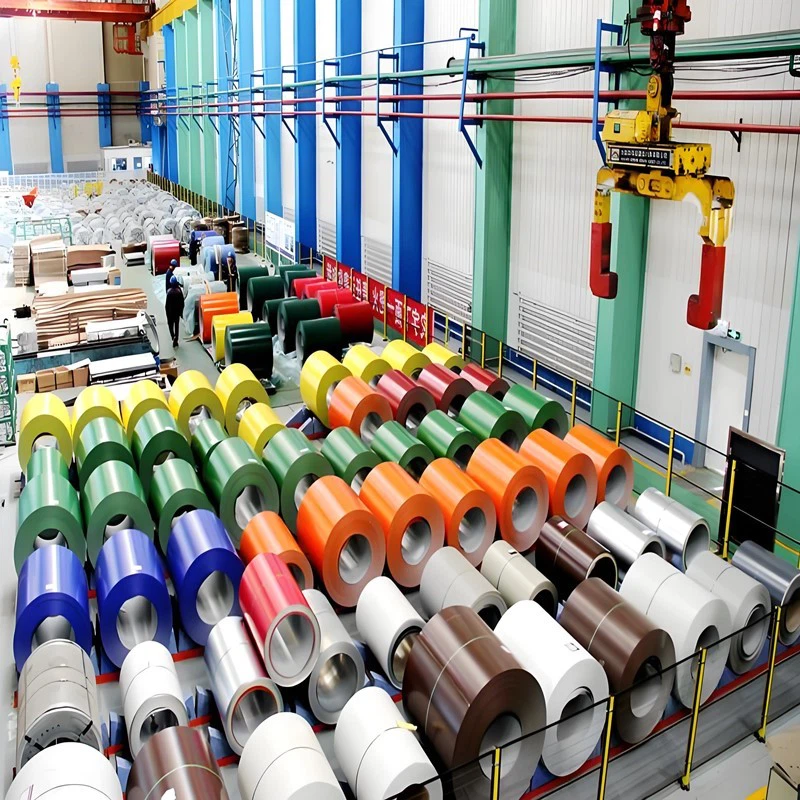
Below, we conduct an in-depth comparison from three dimensions: weather resistance, service life, and cost-effectiveness, and provide clear purchasing recommendations based on the latest industry data from 2026.
1. Core Differences: Chemical Structure Determines Weather Resistance
The difference in performance between the two coatings stems from their different molecular structures:
- PVDF Fluorocarbon Coating: Utilizing over 70% PVDF resin, its fluorine/carbon bond energy reaches up to 500kJ/mol, with tightly arranged molecular chains forming a three-dimensional network structure. This structure inherently gives it resistance to ultraviolet radiation and acid/alkali corrosion, achieving a film hardness of 2H-3H.
- PE Polyester Coating: Using polyester resin monomers, with lower ester bond energy. It is prone to hydrolysis and chalking under ultraviolet radiation and humidity, making it an economical protective coating.
• PVDF Fluorocarbon Coated Aluminum Coils: Weather-resistant lifespan of 20-30 years; dense coating with excellent self-cleaning properties.
• PE polyester coated aluminum coil: An economical option with a weather-resistant lifespan of 5-10 years, suitable for indoor environments or temporary facilities without direct UV exposure.
2. Outdoor Performance Showdown: Why is PVDF the Top Choice for Outdoors?
Addressing several key concerns for outdoor use, the actual performance differences between the two are significant:

Conclusion: For outdoor curtain walls, coastal buildings, chemical plants, airports, and train stations, while PE coatings are initially attractively priced, they may require replacement after 5-8 years due to fading and chalking, resulting in higher overall costs. PVDF is a reliable choice to ensure the long-term safety and aesthetics of outdoor assets.
3. Cost: Calculate the Total Life Cycle Cost (LCC) When purchasing, don't just look at the unit price; the total life cycle cost (LCC) is key:
- Initial Investment: PE coating approximately 5-7 USD/㎡, PVDF approximately 12-22 USD/㎡.
- Long-Term Cost: Over a 20-year period, PE coating requires at least two renovations (including labor, equipment, and downtime losses), potentially pushing the total cost to 85 RMB/㎡·year; while PVDF is virtually maintenance-free, with an average annual cost of only about 60 RMB/㎡·year.

4. Industry Trends and Procurement Avoidance Guidelines in 2026
- Process Upgrade: High-quality PVDF currently uses a double-coat, double-bake process, with a primer + topcoat thickness of ≥25μm. Beware of low-priced, single-coat imitation fluorocarbon products; these will show coating peeling after 2-3 years.
- Environmentally Friendly Alternatives: Water-based PVDF and HDP high-weather-resistant polyester technologies are mature, reducing VOC emissions by 80%, balancing environmental protection and high performance.
- Identifying Authenticity:
1. Check Reports: Request the supplier to provide a 3000-hour aging resistance test report from SGS or the National Building Materials Testing Center.
2. Measure Thickness: Use a film thickness gauge for on-site sampling; the PVDF film thickness should be ≥25μm.
3. Request Warranty: Legitimate PVDF products can provide a 15-20 year warranty.
5. One Picture to Understand: Should Your Project Choose PE or PVDF?

Keywords: What type of coated aluminum coil to use for outdoor curtain walls, PE or PVDF for coastal building aluminum panels, price of fluorocarbon coated aluminum coil, renovation cost of color-coated aluminum coil
In 2026, with its frequent extreme weather events, choosing a coating is like buying "insurance" for your building assets. PE coated aluminum coils are suitable for "quick and easy" interior or temporary projects, while PVDF fluorocarbon coated aluminum coils, with their superior weather resistance, corrosion resistance, and low maintenance costs, are the best choice for permanent outdoor buildings.
