

Abstract:
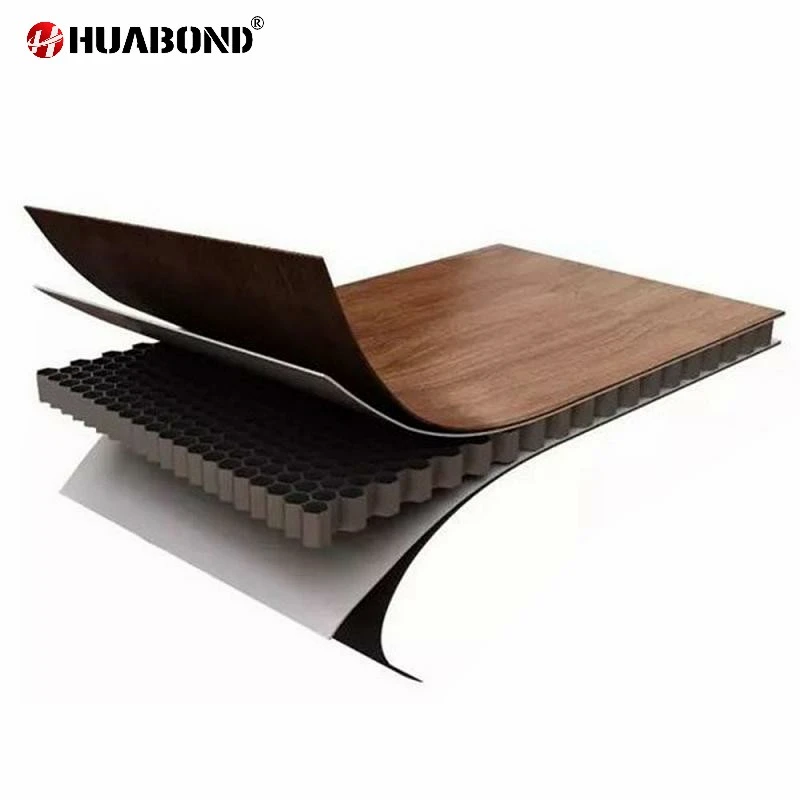
- Aluminum honeycomb panels are sandwich structure panels composed of aluminum alloy panels and aluminum honeycomb cores. With their extreme lightweight, ultra-high flatness, A2 fire resistance, and excellent sound and heat insulation performance, they have become a core material for modern building curtain walls, interior decoration, and transportation hubs.
- Typical building applications include: curtain walls of super high-rise buildings, interior walls and ceilings of airports/high-speed rail stations/subway stations, facades of large commercial complexes, sound-absorbing walls for theaters and lecture halls, wall panels for clean rooms and laboratories, and elevator car interiors.
- Compared with aluminum composite panels, aluminum honeycomb panels are irreplaceable in scenarios requiring large dimensions, high flatness, and high fire resistance; compared with solid aluminum panels, they are more than 70% lighter, significantly reducing structural load and installation costs.
- Key parameters for selecting aluminum honeycomb panels: total thickness (10-25mm), panel aluminum thickness (≥0.7mm for curtain walls), core cell size and density, and adhesive system (inorganic non-combustible adhesive for A2 grade).

Twenty years ago, aluminum honeycomb panels were a high-end material that was "heard of but unaffordable," primarily found in aerospace and luxury yachts.
Today, you can see them on the ceilings of any international airport, the curtain walls of any skyscraper, and the walls of any newly built subway station.
Behind this transformation lies the global construction industry's relentless pursuit of lightweight construction, high strength, and fire safety-all three of which aluminum honeycomb panels perfectly meet.
We have been supplying aluminum honeycomb panels globally for over thirty years, delivering hundreds of construction projects from the scorching deserts of Dubai to the frigid freeze-thaw cycles of Northern Europe, from the humid islands of Southeast Asia to the salty, foggy coasts of the Middle East. Each delivery has deepened our understanding: the true value of this material is not measured in the factory, but demonstrated on the construction site.
Below is a complete guide to the architectural applications of aluminum honeycomb panels, distilled from these real-world projects.
I. Why Have Architects Fallen in Love with Aluminum Honeycomb Panels?
Before discussing specific applications, it's essential to understand the three core physical properties of aluminum honeycomb panels, as these properties directly determine the irreplaceable value they can create in various scenarios.
Feature 1: Nature's Most Perfect Mechanical Structure
The hexagonal honeycomb structure of the aluminum honeycomb core is the optimal solution evolved by nature over millions of years-using the least amount of material to build the greatest load-bearing capacity and strongest rigidity.
For architects, this means: You can use lighter materials to create larger, flatter, and stronger panels.
A 4-square-meter aluminum honeycomb panel can be easily moved and positioned by a single worker. A solid aluminum panel with the same rigidity, however, weighs 5-8 times more and requires two people with machinery for installation.
Feature 2: Inherent A2-Grade Non-Combustible Material
Aluminum panels, aluminum honeycomb core, and aluminum alloy back panel-when using inorganic adhesives, the aluminum honeycomb panel is entirely composed of metal and inorganic materials, naturally achieving the A2-grade non-combustible standard.
This fire resistance is not achieved by adding flame retardants later; the material itself is non-combustible.
In scenarios with strict fire safety regulations, such as underground spaces for rail transit, exterior walls of super high-rise buildings, hospitals, and schools, this is not just a bonus, but a prerequisite.
Feature Three: Smoothness is its hallmark
Thanks to the uniform support of the aluminum honeycomb core, aluminum honeycomb panels maintain a mirror-like smoothness even at ultra-large sizes, completely devoid of the "wavy lines" and "orange peel" effects commonly found in aluminum composite panels or solid aluminum panels.
On the main facades of high-end commercial complexes, the giant ceilings of airport terminals, and the exhibition walls of museums, this extreme smoothness is the baseline for visual quality.
II. In-depth Analysis of Architectural Application Scenarios
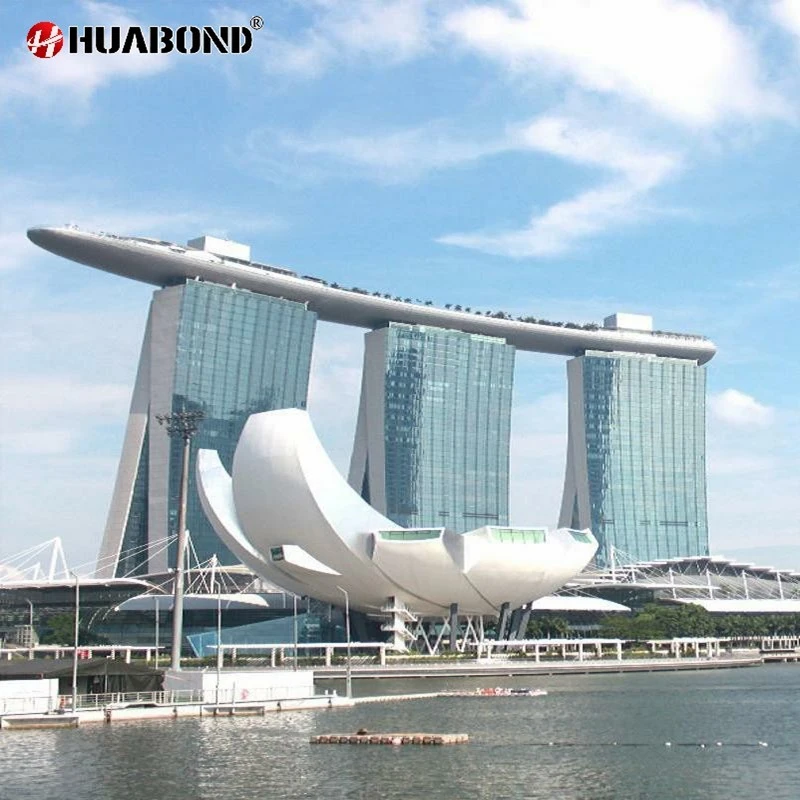
Application 1: Curtain Walls for Super High-Rise and Landmark Buildings
Why Use Aluminum Honeycomb Panels?
Super high-rise curtain walls require panels to simultaneously meet three stringent conditions: large size to match the building scale, lightweight to reduce structural load, and A2 fire resistance to meet regulations. Aluminum honeycomb panels are the only metal curtain wall material that can achieve all three simultaneously.
Our Project Experience: A Middle Eastern landmark project had curtain wall panels with a maximum size of 1.5 meters wide × 4.5 meters long. The designer initially considered using aluminum composite panels, but the flatness of large-format aluminum composite panels could not meet the requirements, and achieving A2 fire resistance was difficult. After switching to aluminum honeycomb panels, the span of each panel increased significantly, the vertical lines were seamless, and the amount of framing was reduced by approximately 20%. The client's feedback was: "Although the unit price of the panels was higher, the savings in framing, labor, and subsequent maintenance resulted in a lower overall cost."
Material Selection Recommendations:
- The total thickness of aluminum honeycomb panels used for curtain walls is typically 15mm, 20mm, or 25mm.
- Panel aluminum thickness ≥1.0mm (1.2mm recommended for coastal or typhoon-prone areas), back panel ≥0.7mm.
- Coating must be PVDF fluorocarbon (≥25μm), back coating should also be PVDF or high-performance PE for protection.
Application 2: Rail Transit – Subways, High-Speed Rail Stations, Airports
Why Use Aluminum Honeycomb Panels?
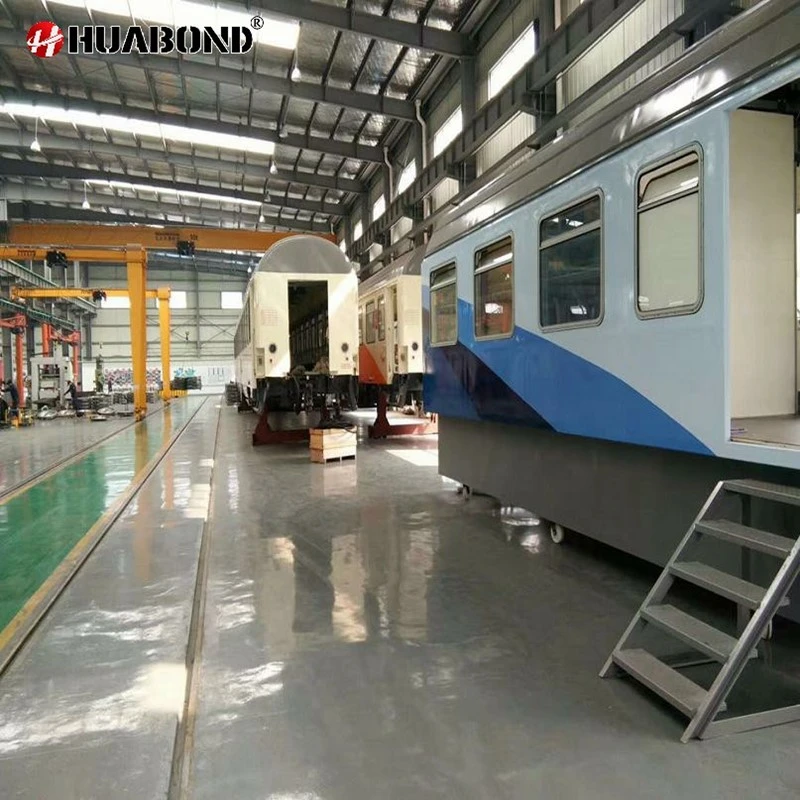
The material selection standards for rail transit are extremely stringent: A2 fire resistance is a strict requirement, impact resistance under high traffic volumes is essential, and modular, quick-installation is necessary during the three-hour construction window each night. Aluminum honeycomb panels are designed specifically for these needs.
Our Project Experience: When supplying materials for a European subway station renovation project, the client required the panels to meet the EN 45545 fire resistance standard and have a pre-installed mounting system. This was because the effective construction time each night was only three hours. Our solution was to prefabricate the aluminum honeycomb panels with aluminum alloy brackets in the factory, and then directly attach and level them on-site. One team could complete the installation of 30 square meters of wall surface in one construction window, three times faster than traditional welding.
Material Selection Recommendations:
- Recommended total thickness for platform walls: 15-20mm; ceiling: 10-15mm.
- Panel aluminum thickness ≥ 1.0mm (impact resistant), surface coating PVDF or high-performance powder coating (resistant to cleaning agent corrosion).
- Inorganic adhesive system is required to ensure A2 fire rating.
- Confirm the compatibility of the mounting system and pre-installation services with the supplier in advance.
Application 3: Facades and Interiors of Large Commercial Complexes
Why Use Aluminum Honeycomb Panels?
Commercial complexes need to create a memorable visual impact while controlling construction costs. The flatness advantage of aluminum honeycomb panels on large facades allows designers to boldly design oversized panels, minimalist lines, and metallic finishes.
For interiors, aluminum honeycomb panels are commonly used for atrium walls, elevator lobby decoration, wayfinding signage bases, and escalator side panels.
Material Selection Recommendations:
- 10-15mm total thickness for interior walls, 15-20mm for exterior curtain walls.
- HDPE coating (more cost-effective) can be used for interiors, while PVDF or FEVE is required for exteriors.
- Anodizing or brushed finishes can be used to achieve a metallic finish, but color difference control is crucial.

Application 4: Theaters, Auditoriums, Conference Rooms – A Combination of Acoustics and Aesthetics
Why Aluminum Honeycomb Panels?
This is an easily overlooked but crucial application. Aluminum honeycomb panels achieve sound absorption through surface microporous treatment (pore size 0.5-2mm, perforation rate 1-18%). After being filled with sound-absorbing cotton on the back, they become wall panels or ceilings that integrate decoration and acoustic functionality.
Our Experience: In a Southeast Asian cultural center project, the designer required the walls to have both the cool, metallic texture and concert hall-level acoustic reverberation time. We provided a microporous aluminum honeycomb sound-absorbing panel solution with 1mm pore size, approximately 12% perforation rate, a black sound-absorbing non-woven fabric backing, and 50mm thick glass wool filling. The final acoustic tests passed on the first attempt, with both visual and acoustic effects exceeding expectations.

Application 5: Cleanrooms, Laboratories, Hospitals
Why use aluminum honeycomb panels?
These spaces require walls that do not accumulate dust, are resistant to disinfectant wipes, do not produce particle shedding, and are Class A fire-resistant. Aluminum honeycomb panels have a seamless surface (seams are sealed for large areas), do not attract dust, and are resistant to chemical cleaners, making them ideal cleanroom wall panels.
Material Selection Recommendations:
- Total thickness 10-15mm is sufficient.
- Choose an antibacterial or PVDF surface coating for easy cleaning.
- Installation methods are typically wall mounting or structural adhesive bonding to avoid exposed nails accumulating dust.
Application 6: Elevator Car Interior Finish
Why use aluminum honeycomb panels?
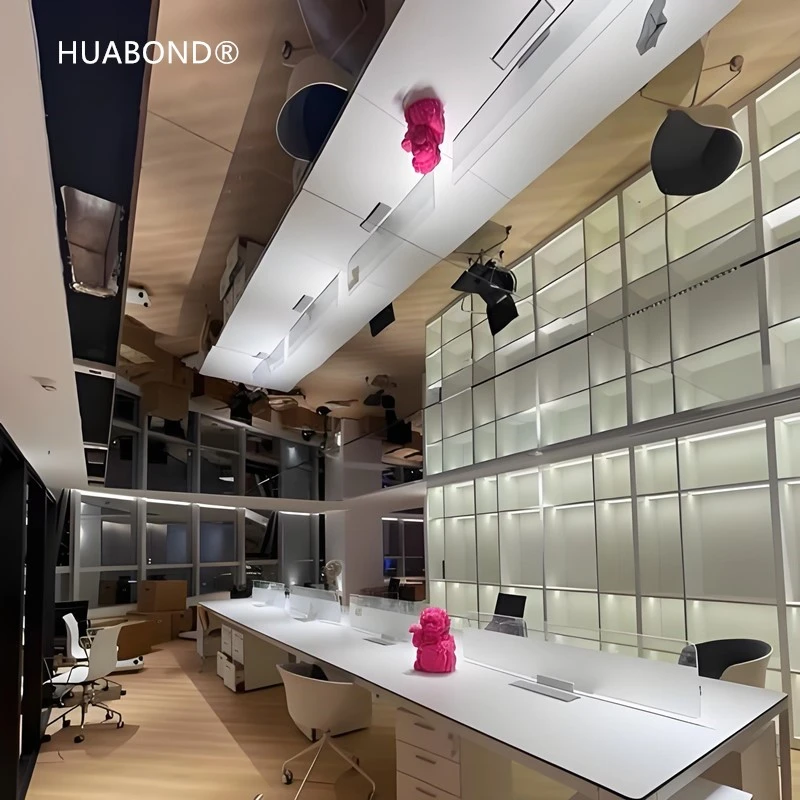
Elevators are extremely sensitive to weight-for every kilogram increase in the car's weight, the counterweight and traction machine must be adjusted accordingly. The extremely light weight of aluminum honeycomb panels means that thicker panels can be used to achieve a premium feel without increasing the load on the elevator system. Its flatness and metallic finish are also qualities sought after in elevator interior finishes.
Material Selection Recommendations:
- Total thickness is typically 10-15mm. Panel finishes can be brushed stainless steel, mirror finish, brass composite, etc.
- Must be A2 fire retardant; elevator manufacturers usually specify the standard.
III. Quick Guide to Aluminum Honeycomb Panel Selection

IV. Frequently Asked Questions (FAQ)
Q1: What is the difference between aluminum honeycomb panels and aluminum composite panels?
Aluminum honeycomb panels have an aluminum honeycomb core, offering greater rigidity, lighter weight, and A2 fire resistance. Aluminum composite panels have a polyethylene plastic core, resulting in lower cost, the ability to be grooved and bent, and suitability for standard-sized curtain walls and signage. They complement each other and are used together in many projects.
Q2: Can aluminum honeycomb panels be made into irregular shapes and curved surfaces?
Yes. Aluminum honeycomb panels can be cold-pressed or hot-pressed into curved, cylindrical, or even hyperboloid shapes at the factory. The minimum bending radius depends on the panel thickness and panel material, and usually needs to be confirmed with the factory's technical staff.
Q3: What is the maximum size of aluminum honeycomb panels?
Standard widths can reach 1500mm or even 2000mm, and the maximum length can reach 6000mm. The specific length depends on the panel aluminum thickness, core layer specifications, and transportation conditions. Extra-long panels require special packaging and transportation solutions.
Q4: How are aluminum honeycomb panels installed?
The mainstream installation method is a hanging system. The panels are pre-installed with aluminum alloy brackets on the back at the factory, allowing for on-site leveling and fixation by hanging them on the keel. Structural adhesive or back bolts can also be used for bonding. Modular installation is highly efficient, especially suitable for rail transit projects with short construction windows.
Q5: Can aluminum honeycomb panels achieve a fire rating of A2?
Yes, and this is one of the core advantages of aluminum honeycomb panels. Aluminum honeycomb panels using an inorganic adhesive system can pass the EN 13501-1 A2 or GB 8624 A2 non-combustible test, meeting the fire protection requirements of high-rise buildings and rail transit.
Q6: What is the sound insulation performance of aluminum honeycomb panels?
Standard aluminum honeycomb panels have a certain sound insulation performance (weighted sound insulation Rw approximately 25-30dB, depending on panel thickness and structure). For higher sound insulation requirements, microporous sound-absorbing honeycomb panels can be selected, combined with backing sound-absorbing materials, achieving a sound absorption coefficient NRC of 0.7-0.9.
Q7: What is the approximate price of aluminum honeycomb panels?
Prices vary significantly depending on the total thickness, panel aluminum thickness, coating type, core layer specifications, purchase quantity, and degree of customization. Generally, aluminum honeycomb panels are more expensive than aluminum composite panels for the same specifications, but their lighter weight saves on framing and installation costs, and their longer lifespan often results in a more advantageous total lifespan cost. We recommend sending project drawings for an accurate quote.
Q8: What is the delivery time for aluminum honeycomb panels?
Standard sizes take approximately 15-25 days. Custom sizes, special coatings, or irregular shapes require 25-35 days. For large projects, we recommend placing orders 4-6 weeks in advance.
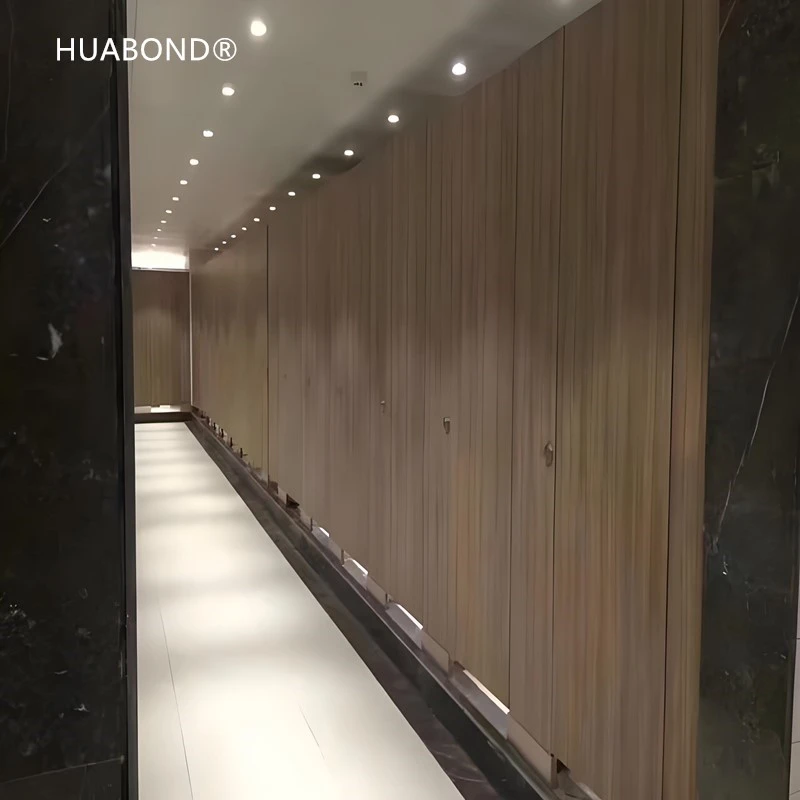
V. Not all aluminum honeycomb panels are suitable for construction.
We've seen far too many projects where the design renderings are stunning, only to encounter problems on-site: substandard flatness, misaligned mounting brackets, noticeable color differences, and even falsified fire safety reports.
Delivering aluminum honeycomb panels and delivering a building solution that safely, on time, and perfectly reflects the design intent are two different things.
The latter requires: rigorous factory flatness testing (we use optical scanning to inspect each panel), precise pre-installed mounting bracket positioning (laser calibration, deviation ≤0.5mm), complete third-party fire safety test reports, and a technical support team that can understand CAD drawings and proactively offer optimization suggestions.
These are the standards we adhere to in hundreds of projects worldwide, and the foundation of our confidence in shipping every panel around the world.
Is your project in the design and selection phase?
Send us your project drawings, building type, and fire safety requirements, and we will return with a technical proposal within 24 hours, including recommended panel specifications, suggested detail drawings, installation plans, and a transparent quote. We also include free samples tailored to your project needs, allowing you to personally verify the texture and performance of the aluminum honeycomb panels.
(This article was originally written by the HUABOND Aluminum Honeycomb Panel Global Supply Team, based on over 30 years of global project delivery experience. For more building material selection guides, please visit our website www.huaalu.com)