

Summary:
- The core of UV-printed aluminum signs lies not in the thickness of the sheet material itself, but in whether the surface pretreatment matches the UV ink. Without a dedicated coating, UV ink adhesion on aluminum sheets is extremely poor; it will peel off with a simple fingertip.
- Buyers must check five key points before purchasing: surface pretreatment type, aluminum sheet thickness, coating system, flatness, and protective film. A mistake in any of these areas can render the entire batch of signs unusable.
- The most practical inspection method is to request a matching sample and perform an adhesion test yourself: Peel a piece of 3M tape from the printed surface; if the ink doesn't peel off, it's considered (qualified).
- 32 years of factory experience has repeatedly verified that 80% of problems with UV-printed aluminum signs stem from the mismatch between the sheet material and the ink, not the printing press or the ink itself.
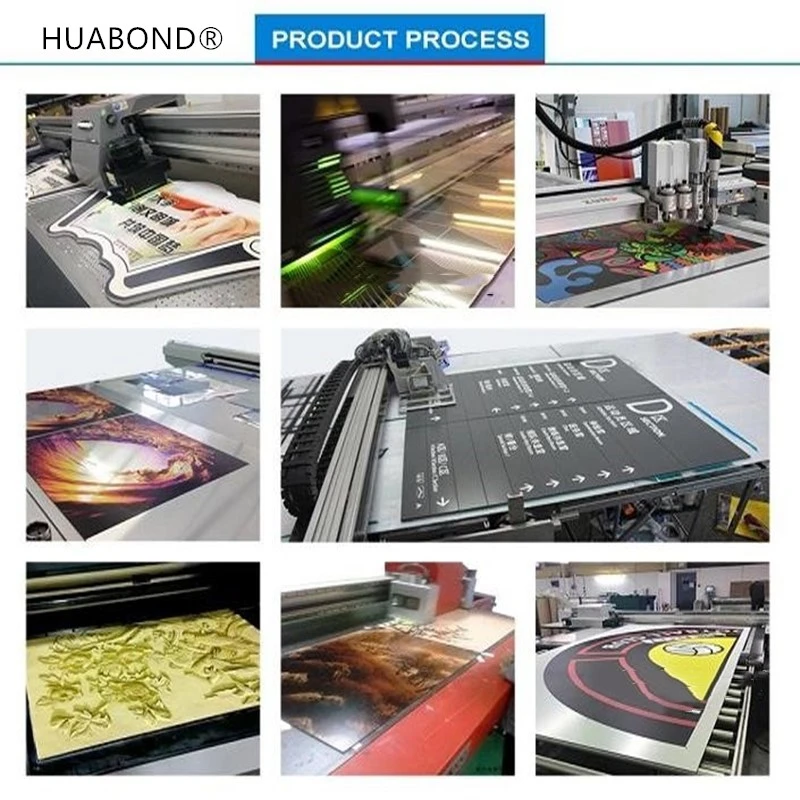
An aluminum sign goes through multiple stages from factory to customer, including printing, cutting, and installation. UV printing is the most demanding process in terms of surface finish.
We've been making aluminum signs for 32 years. In those 32 years, the most frequent customer calls we receive aren't "Can you lower your price?" but rather, "Why does the ink on our UV-printed signs come off?"
Nine times out of ten, the problem isn't with the printing press or the ink, but with the sheet material.
This article is designed to help you check all the necessary items before placing your order, avoiding the disaster of discovering the printing problems only after the goods arrive on-site.

I. Why does UV printing have such high requirements for the surface of aluminum signs?
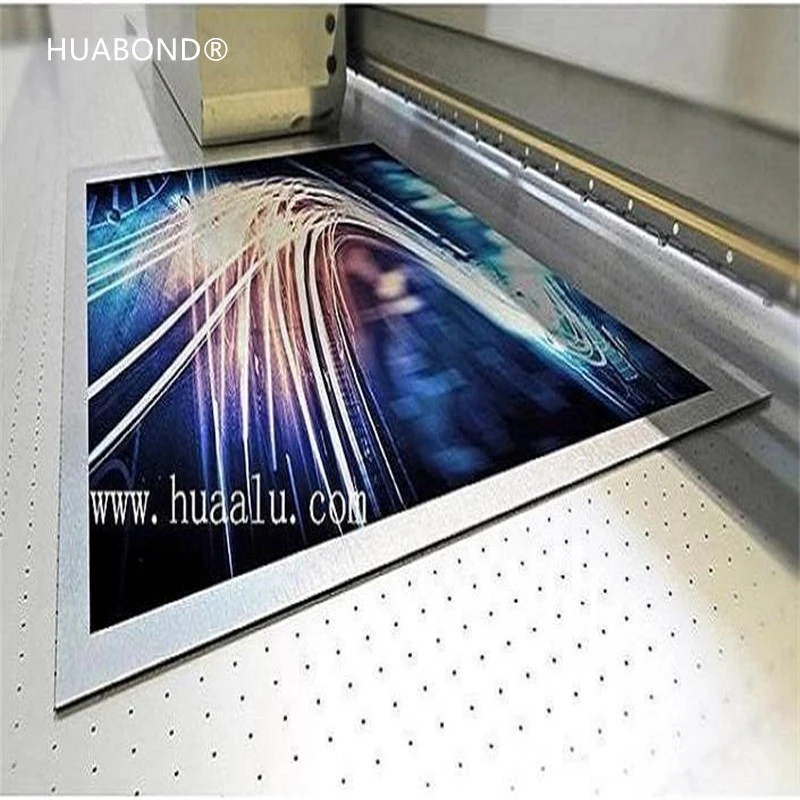
The principle of UV printing is that ultraviolet light instantly cures the ink. The ink changes from liquid to solid in a fraction of a second, leaving no time to penetrate the material surface; it can only adhere to the board through adhesion.
This means that if the aluminum plate surface is not specially pretreated for UV inks, the ink is like water splashed on glass-it only adheres temporarily and falls off easily.
The difference between ordinary aluminum composite panels and UV-printed aluminum signs lies in this invisible pretreatment.
The surface of ordinary aluminum composite panels is a smooth coating that UV inks cannot adhere to. UV-printed aluminum signs, on the other hand, undergo chemical microporous treatment or a special coating, giving the ink a "foothold," resulting in significantly improved adhesion.
32 years of experience: When buying UV-printed aluminum signs, the first question to always ask is-"Has this board undergone UV pretreatment?"
II. Five Key Points Buyers Must Check
Checkpoint 1: Does the Surface Pretreatment Match the UV Ink?
This is the soul of UV-printed aluminum signs.
Differences in the Effects of Different Pretreatment Solutions:

Checking Method: Directly ask the supplier: "I want to do UV flatbed printing on these boards, what surface treatment have you done?" A professional supplier can immediately provide a clear solution and ask "Which UV ink/printer are you using?" for further matching.
Checkpoint Two: Does the Panel Aluminum Thickness Meet Standards?
The panel aluminum thickness determines the rigidity and impact resistance of the sign. UV printing is usually done on a flat surface, but after printing, the sign must still undergo handling, installation, and exposure to wind and sun.
Recommended panel aluminum thickness for UV-printed aluminum signs:

Check Method: Require the supplier to specify the exact values of the panel aluminum thickness and back panel aluminum thickness in the contract. Vague statements such as "total thickness 3mm" are unacceptable.
Checkpoint 3: Is the coating system suitable for outdoor use?
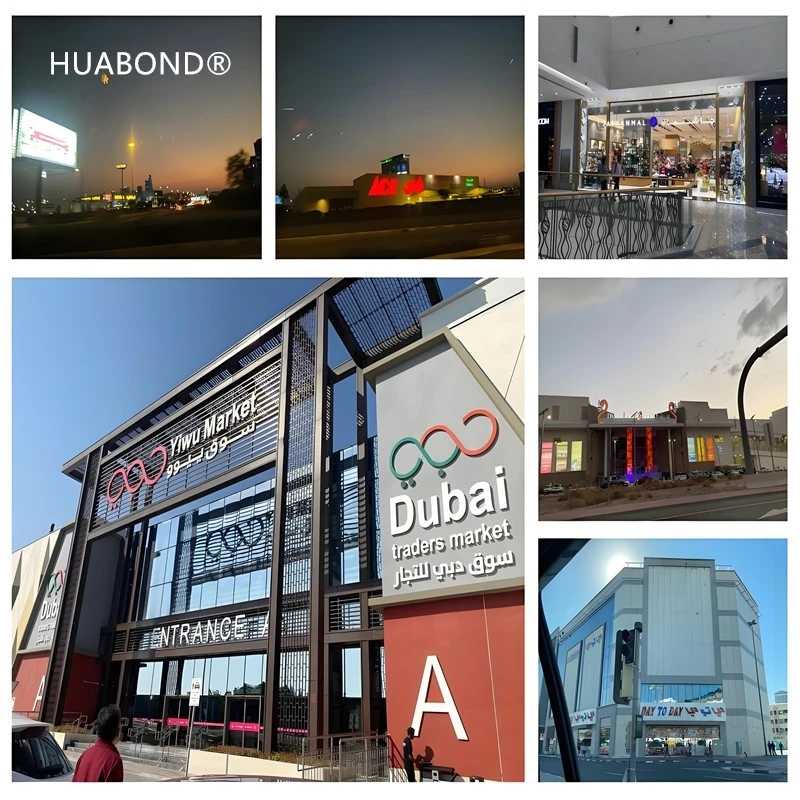
If you are making outdoor UV-printed signs, in addition to surface pretreatment, the weather resistance of the base coating itself is also crucial.
- Indoor signs: Ordinary PE coating base is sufficient and offers the best cost.
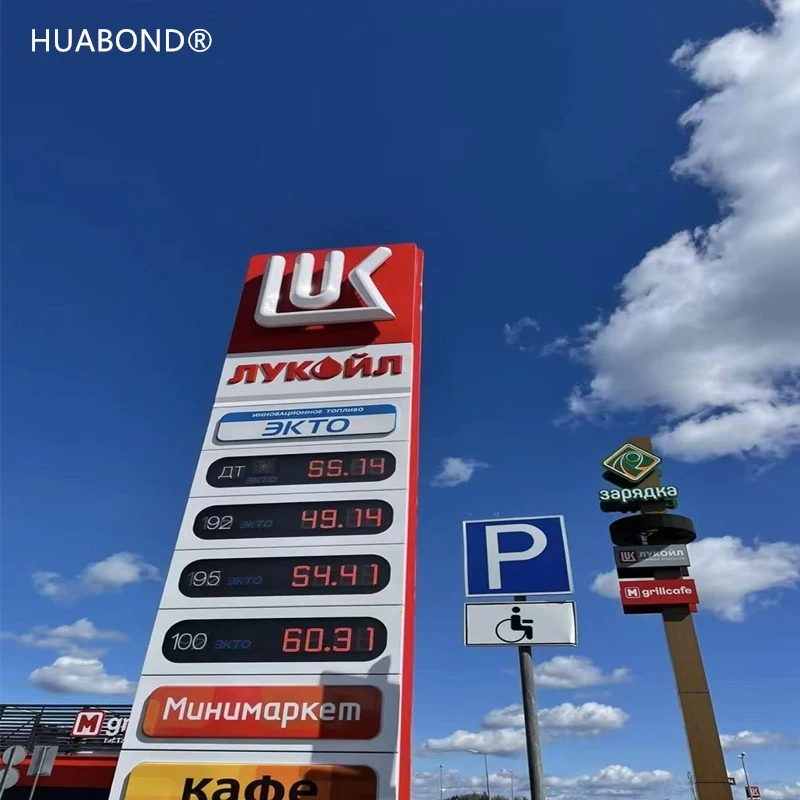
- Outdoor signs (3+ years): HDPE high-performance polyester base is recommended, as the color will last 5-8 years.
- Coastal/Strong UV areas: PVDF base is recommended, but the cost is significantly higher, and it is generally unnecessary for standard outdoor signage.
Checkpoint 4: Is the flatness sufficient?
UV printing is extremely sensitive to the flatness of the substrate. Any tiny ripples, dents, or surface particles will manifest as uneven color, inconsistent ink volume, or even printhead scratches during printing.
Inspection Method:
- Visually inspect the board surface for visible ripples and dents.
- Gently run your palm across the board surface to feel for any unevenness.
- Request a sample and print a small sample on a UV printer to observe the uniformity of ink color.
32 Years of Experience: Aluminum signs that can truly achieve high-quality UV printing undergo rigorous optical flatness testing before leaving the factory. Not all "aluminum composite panels" are suitable for UV printing.
Checkpoint 5: Protective Film Matching
After UV printing, the signs still need to be cut, handled, and installed. During this process, the printed surface needs protection.
Protective Film Selection:
- Before UV Printing: A clean, residue-free PE protective film needs to be applied to the board surface to prevent scratches during transportation and handling.
- After UV Printing: If the customer requires further processing, we can apply a protective film to the printed surface, but care must be taken to avoid damaging the ink when removing it.
Checking Method: Confirm the type, thickness, and tear-off characteristics of the protective film with the supplier to avoid residual adhesive from the protective film contaminating the printed surface.
III. Two Tests Buyers Should Perform After Receiving Samples
Don't just rely on what the supplier says. After receiving the samples, verify them yourself using these two simple tests:
Test 1: 3M Tape Peel Test
This is the most direct way to test UV printing adhesion.
Steps:
1. Print a color block or text on the sample using a UV printer.
2. Wait for the ink to fully cure (usually after 24 hours).
3. Apply 3M 600 tape or equivalent adhesive tape firmly to the printed surface.
4. Quickly peel off the tape.
Pass/Fail Standard: The ink should not peel or flake off. If ink is missing after peeling, the adhesion is substandard.
Test 2: Fingernail Scratch Test
Scratch the printed surface with your fingernail using moderate force.
Pass/Fail Standard: The ink should not peel off or show obvious scratches. Minor scratches are acceptable, but the ink should not be "picked up".
If either of these tests is failed, the batch of boards cannot be used for UV printing.
IV. Frequently Asked Questions (FAQ)
Q1: What is the difference between UV-printed aluminum signboards and ordinary aluminum composite panels?
The core difference lies in surface pretreatment. UV-printed aluminum signboards undergo chemical microporous treatment or special coating, resulting in high adhesion of UV inks. Ordinary aluminum composite panels have a smooth surface, making it difficult for ink to adhere, and the ink easily peels off after printing. The price difference is not significant, but using the wrong material can result in the entire batch being scrapped.
Q2: How can I tell if a supplier's panels are suitable for UV printing?
First, inquire about pretreatment; second, request samples; third, conduct a tear test. After completing these three steps, the answer will be clear.
Q3: Is a protective film needed after UV printing?
Yes. Although UV inks are wear-resistant after curing, they still require protection against scratches during subsequent cutting and handling. We can provide post-printing lamination services.
Q4: How many years can outdoor UV-printed signs last?
It depends on the coating system and ink quality. HDPE primer with outdoor UV ink can typically maintain vibrant colors for 5-8 years. Beyond this period, it is recommended to use a PVDF primer or replace it periodically.
Q5: Do we provide free UV printing test samples?
Yes. We support sending free small samples to match your UV printer and ink system, so you can test the printing and adhesion yourself. Only after confirming that everything is correct should you place a bulk order.
V. 32 Years of Factory Experience: We've Mastered UV Printing
Over the past 32 years, we've served signage companies and advertising manufacturers in over 50 countries worldwide. Every client who opts for UV printing eventually becomes a long-term partner.
The reason is simple: our aluminum signage ensures they never have to worry about UV printing.
From surface pretreatment to panel aluminum thickness, from coating weather resistance to protective film matching, every step is prepared in advance in our factory for UV printing.
All you need to do is send us your drawings and requirements. Leave the rest to us.
Need sample testing for UV-printed aluminum signage?
Send us your application scenario (indoor/outdoor), UV printer brand, and ink type. We will send you a free sample panel matching your process within 24 hours. Test the adhesion yourself before discussing orders.
(This article was originally written by the HUABOND Aluminum Signage team, based on 32 years of global signage industry supply experience. Reproduction requires authorization. For more in-depth industry content, please visit our website www.huaalu.com.)